


 नवीनतम
World AIDS Day 2025: Theme, history, deaths and infections
NEW DELHI [Maha Media]: World AIDS Day is observed on December 1 every year. The day is meant to raise awareness about the HIV and AIDS epidemic, remember those who have died from HIV-related illnesses, and support people living with it.
First marked in 1988 by the World Health Organization, the day has since become a platform for governments, communities, and individuals to unite in the fight against the disease.
The theme for 2025 World AIDS Day is 'Overcoming disruption, transforming the AIDS response'. It highlights the urgency of addressing disruptions caused by pandemics, conflicts, and inequalities that limit access to care. It also emphasises the need to not only preserve past progress but transform HIV services to make them more resilient, equitable, and community-led.
India marks World AIDS Day each year through nationwide awareness campaigns, community outreach activities, and renewed government commitments led by the National AIDS Control Organization (NACO) under the Ministry of Health & Family Welfare.
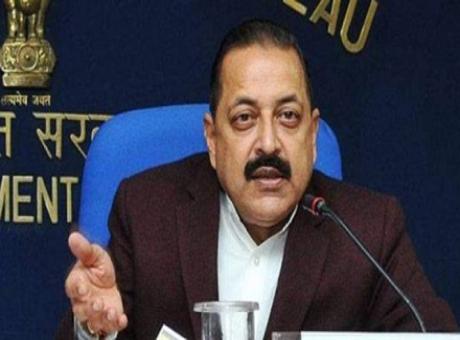
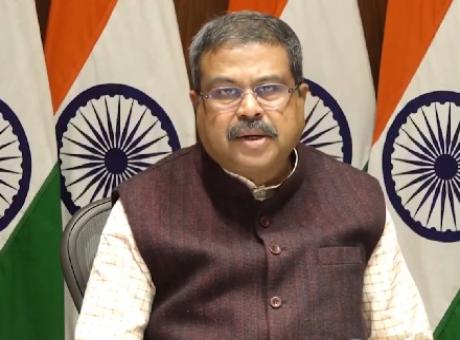
World AIDS Day reminds people of the importance of understanding HIV/AIDS, taking preventive measures and encouraging early testing, Union Health Minister JP Nadda said in a post on X on Monday.
"It is also an opportunity to show solidarity with those infected and affected by HIV, while dispelling myths about HIV transmission, such as misconceptions regarding how the virus is spread. As a society, we must raise awareness, combat the stigma and discrimination associated with HIV/AIDS and ensure equal access to healthcare for all. Together, let's work toward a healthier, more inclusive future," Nadda said.
India marks World AIDS Day each year through nationwide awareness campaigns, community outreach activities, and renewed government commitments led by the National AIDS Control Organization (NACO) under the Ministry of Health & Family Welfare.
World AIDS Day reminds people of the importance of understanding HIV/AIDS, taking preventive measures and encouraging early testing, Union Health Minister JP Nadda said in a post on X on Monday.
"It is also an opportunity to show solidarity with those infected and affected by HIV, while dispelling myths about HIV transmission, such as misconceptions regarding how the virus is spread. As a society, we must raise awareness, combat the stigma and discrimination associated with HIV/AIDS and ensure equal access to healthcare for all. Together, let's work toward a healthier, more inclusive future," Nadda said.
India's AIDS Control Programme began in 1985, focusing on identifying HIV cases, ensuring safe blood transfusions, and generating targeted awareness. The response gained momentum with the launch of the National AIDS and STD Control Programme (NACP) and the National AIDS Control Organisation (NACO), which was established in 1992 under the Ministry of Health and Family Welfare to coordinate a multi-sectoral national strategy.
Over time, the focus of NACP shifted from a national response to a more decentralised response and to increase the involvement of NGOs and networks of People Living with HIV (PLHIV).
From 1.73 lakh in 2010 to 32,200 in 2024, India has witnessed an 81.40% reduction in deaths due to AIDS. This decline is fueled by the expansion of free ART to over 1.8 million people living with HIV by 2025, achieving 94% ART retention and 97% viral suppression rates—key factors in preventing progression from HIV to AIDS. Globally, 6.30 lakh people died due to AIDS in 2024, with India representing 5% of the worldwide burden.
Steps Taken For HIV/AIDS Awareness
Strengthening Nationwide Awareness Campaigns: NACO leads national HIV/AIDS awareness efforts through comprehensive multimedia campaigns. Mass media, digital platforms, and social media are used to reach broader and younger audiences.
Expanded Outdoor Outreach: Awareness strengthened through hoardings, bus panels, information kiosks, folk performances, and IEC vans. These tools help promote services and facilities available nationwide.
Community-Level Awareness Programs: Training and sensitisation conducted for Self-Help Groups (SHGs), Anganwadi Workers, ASHAs, Panchayati Raj members, and others. These grassroots initiatives promote behavioural change and overall community awareness.
Targeted Interventions for High-Risk Groups: 1587 Targeted Intervention projects rolled out across the country as of October 2025. This ensures equitable access to prevention, testing, treatment and care services.
Thematic Campaigns Against Stigma and Discrimination: Nationwide thematic campaigns launched to reduce stigma and promote inclusion of People Living with HIV (PLHIV). These campaigns are also implemented across workplaces, healthcare settings, educational institutions and communities.
Appointment of Ombudsmen in States/UTs: Under the HIV and AIDS (Prevention and Control) Act, 2017, Ombudsmen have been appointed in 34 States/UTs, who address complaints related to discrimination against PLHIV.
KEY PREVENTION & CARE POINTS
• Early HIV testing and timely diagnosis
• Starting ART immediately after detection
• Always using protection
• Maintaining honest communication with partners
• Rejecting stigma and seeking medical help early
CAUSES & COMMON MISCONCEPTIONS
• Unsafe sexual practices
• Sharing contaminated needles or IV equipment
• Unscreened blood transfusions
• Misconception: HIV spreads through touch or shared food (false)
• Misconception: HIV spreads through air or casual contact (false)