

 नवीनतम
Sabarimala: SC's 9-judge bench begins crucial hearing
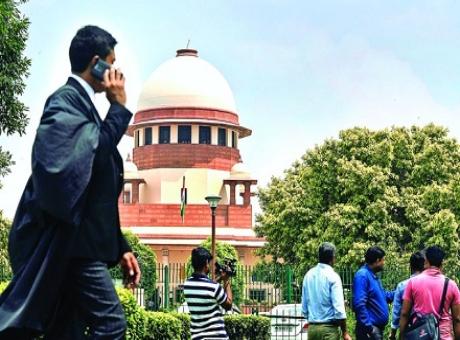
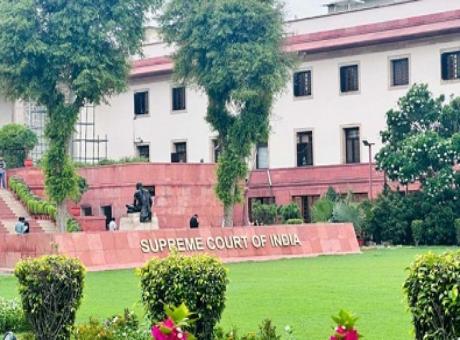
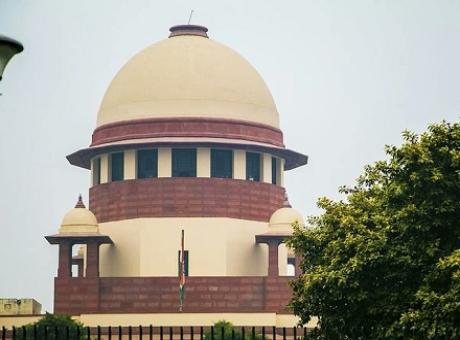
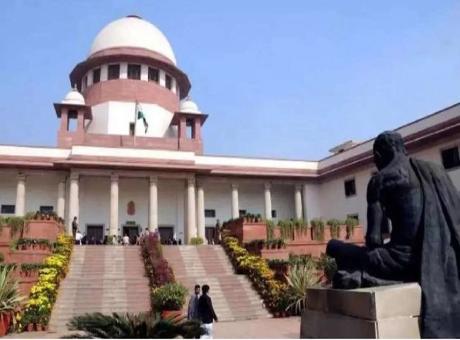
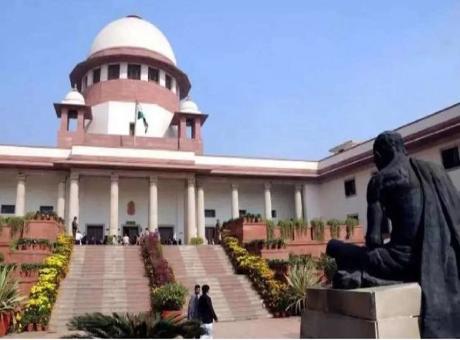
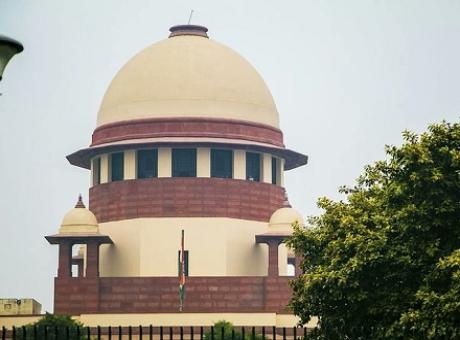
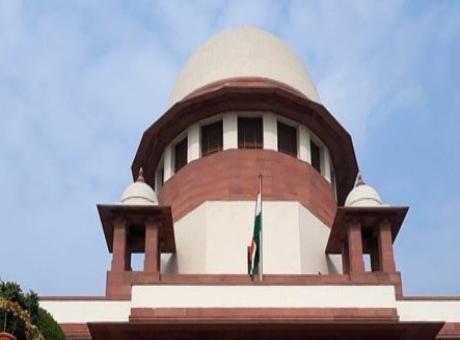
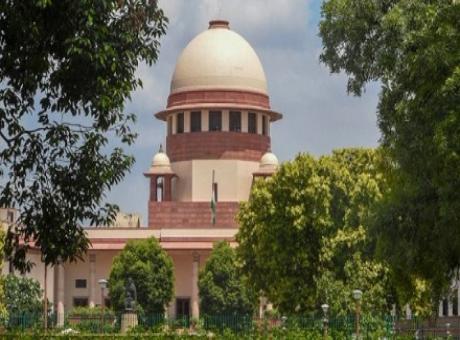
NEW DELHI [Maha Media]: The Supreme Court has commenced hearing in the long-pending Sabarimala temple entry review along with a batch of connected matters, which raise significant constitutional questions concerning the scope of religious freedom, the doctrine of essential religious practices and the limits of judicial intervention in matters of faith.
The nine-judge bench led by Chief Justice of India (CJI) Surya Kant and comprising of Justices Joymalya Bagchi, B. V. Nagarathna, R. Mahadevan, M. M. Sundresh, Ahsanuddin Amanullah, Aravind Kumar, A. G. Masih and Prasanna B. Varale, will examine issues including -- the scope and ambit of the right to freedom of religion under Article 25; the interplay between individual rights under Article 25 and denominational rights under Article 26; whether Article 26 rights are subject to other provisions of Part III beyond public order, morality and health; the meaning and extent of "morality" under Articles 25 and 26, including whether it encompasses constitutional morality; the scope of judicial review over religious practices; the interpretation of the phrase "sections of Hindus" in Article 25(2)(b); and whether a person outside a religious denomination can challenge its practices through a public interest litigation.
Earlier, in 2018, a Constitution Bench of the apex court permitted the entry of women of all ages into the Sabarimala Sree Dharma Sastha Temple dedicated to Lord Ayyappa, striking down the centuries-old practice that barred women between the ages of 10 and 50.
On November 14, 2019, a five-judge Constitution Bench led by then CJI Ranjan Gogoi, by a 3:2 majority, held that the issues arising in the review petitions against the Sabarimala judgment were not confined to the temple alone, but raised broader and recurring questions of constitutional interpretation concerning the interplay between the right to equality and the right to freedom of religion.
The Court identified a set of overlapping constitutional issues that also arose in other pending matters. These included: (i) the permissibility of restricting the entry of Muslim women into mosques, particularly the challenge to practices that bar women from offering prayers in certain Islamic places of worship; (ii) the validity of the practice of Female Genital Mutilation among the Dawoodi Bohra community, examined in light of dignity and essential religious practices and (iii) the rights of Parsi women who marry outside the community to enter Parsi Fire Temples.
Subsequently, a nine-judge Constitution Bench on February 10, 2020, upheld the decision of the Sabarimala Review Bench to refer to a larger Bench broad questions concerning the interplay between essential religious practices, equality, and constitutional morality across faiths.
In February 2026, the top court had, while fixing a schedule for the hearings, noted,"A nine-judge bench shall commence hearing in these matters on April 7, 2026 (Tuesday) at 10:30 AM. The review petitioners or the parties supporting them shall be heard from April 7-9, April 2026. The original writ petitioners opposing the review petitioners shall be heard on April 14-16, 2026. The rejoinder submissions, if any, will be heard on April 21, 2026, followed by the final and concluding submissions by the learned amicus, which is expected to be over by April 22."