


 नवीनतम
World Obesity Atlas 2026 Report:Obesity becoming 'Silent Epidemic'
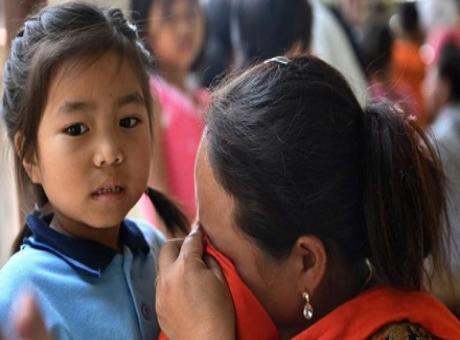
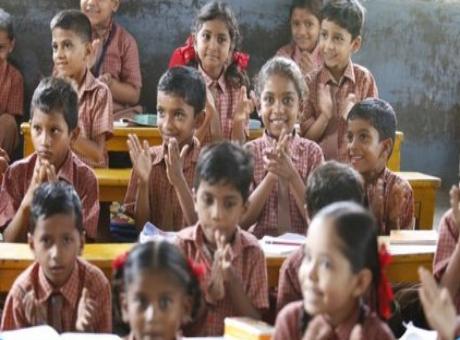
NEW DELHI [Maha Media]: If you believe that the biggest problem for children in the world is malnutrition or being underweight, the situation is now changing.
According to the World Obesity Atlas 2026 report, between 2025 and 2027, the number of obese children worldwide will exceed the number of underweight children.
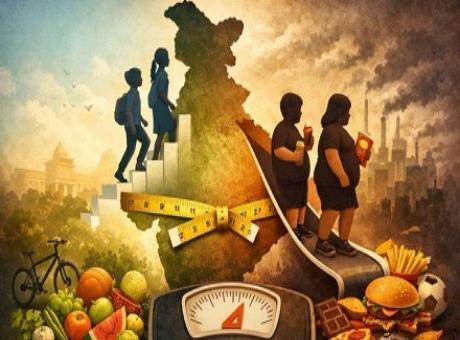
The report also states that India now ranks second in the world after China for childhood obesity. In the country, childhood obesity is becoming a “silent epidemic”.
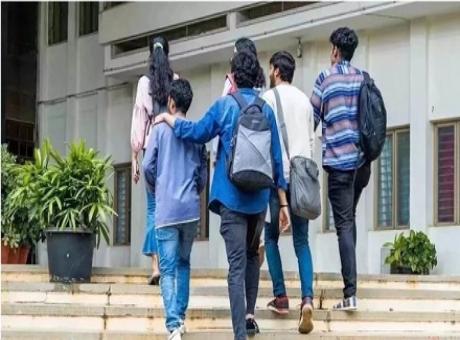
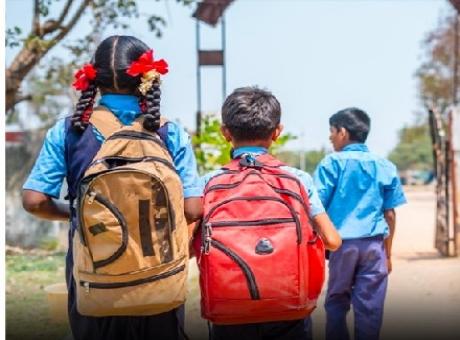
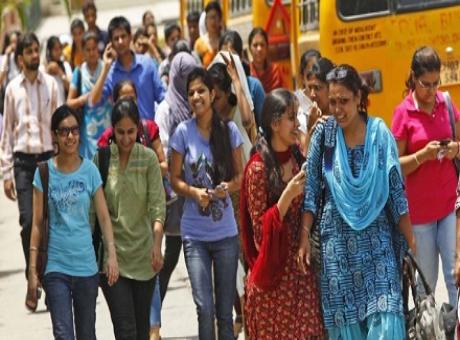
Data from 2025 shows that about 41 million children in India aged 5 to 19 are living with a high BMI (Body Mass Index). Of these, nearly 14 million are classified as obese.
Between 2010 and 2025, high BMI among children aged 5–19 in India increased at an annual rate of 4.8%. Obesity among children under five is also rising at an annual rate of 4.4%.
Increased risk of liver damage and cancer symptoms in children…
Liver damage and cancer are among the biggest risks linked to childhood obesity. Parents often assume that chubby children are healthy, but reports suggest that obesity at a young age can slowly lead to serious adult-like illnesses later in life.
The main reasons behind the rising obesity in India
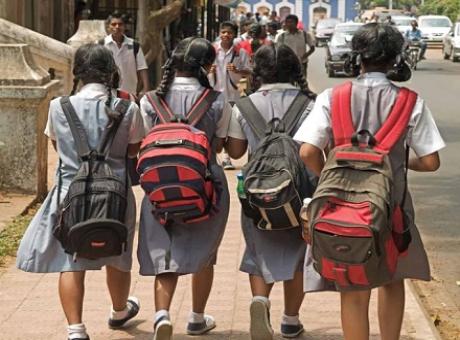
* 74% of adolescents aged 11–17 do not engage in enough physical activity.
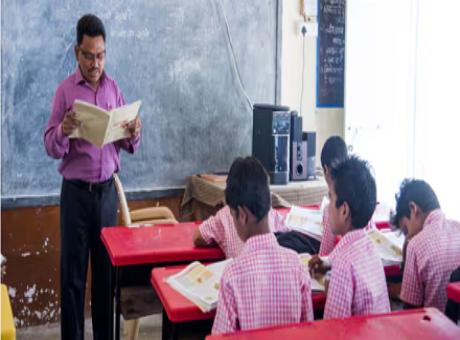
* Only 35.5% of children receive meals in school.
* 32.6% of infants aged 1–5 months are not adequately breastfed.
* Obesity in mothers increases the risk of obesity in children.
* Obesity levels in cities are about 10% higher than in villages.
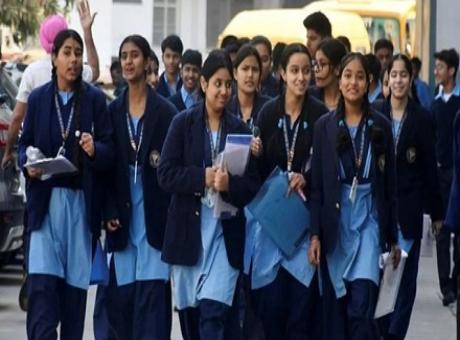
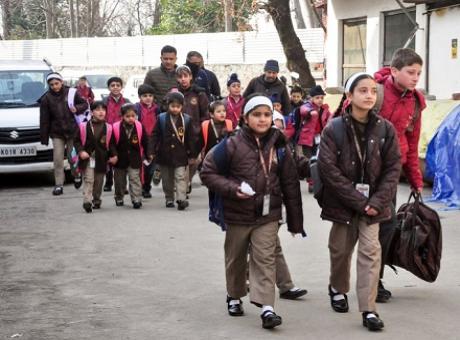
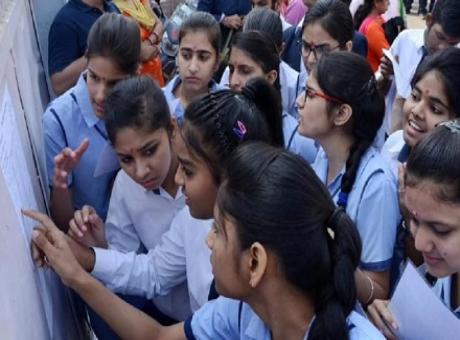
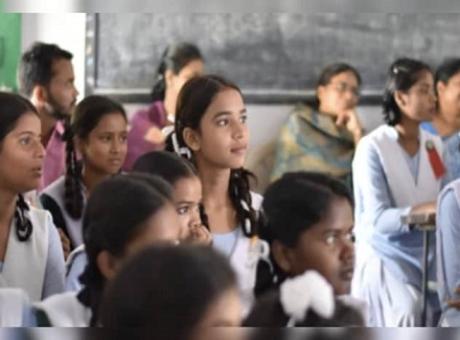
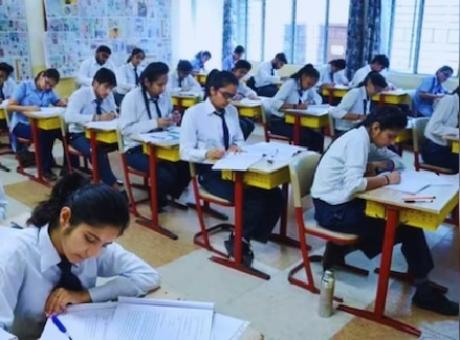
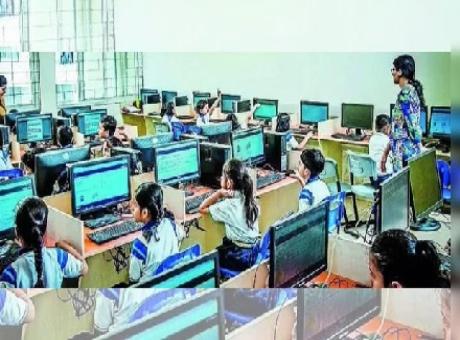
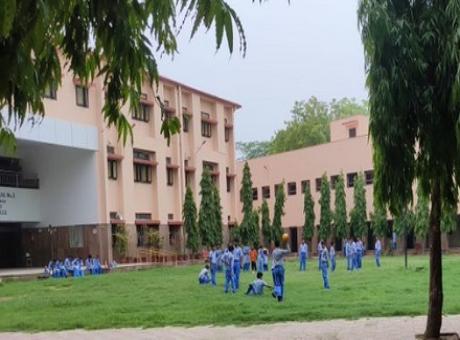
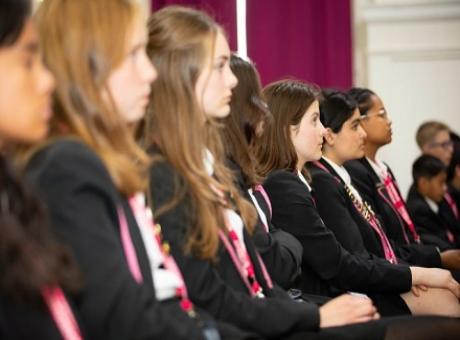
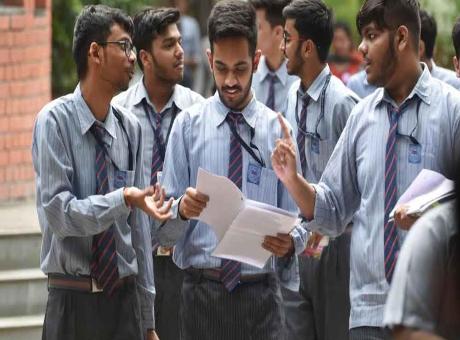
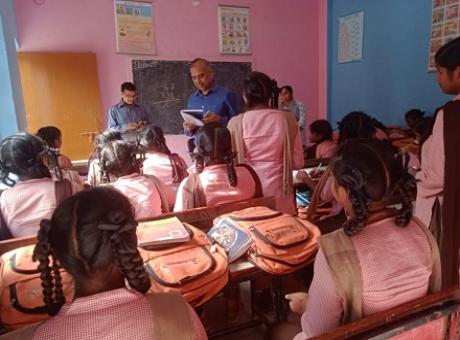
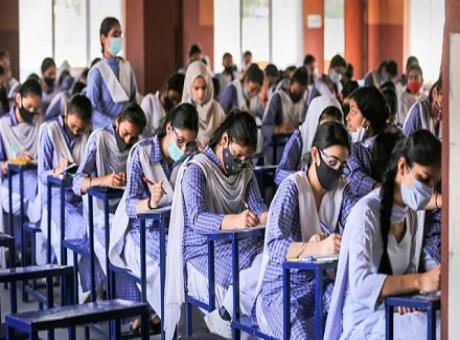
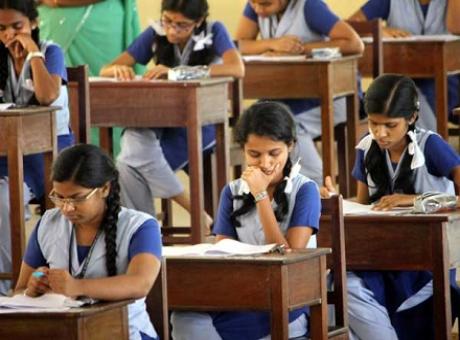
In the 14th annual health survey by Sports Village, 141,840 children from 333 schools across 112 cities were assessed.
The report found that only one in three children can run without panting, while two in three are unable to perform enough cardiorespiratory activity. Aerobic fitness was identified as the weakest area.
Nearly 40% of children were outside the healthy BMI range. In addition, 49% did not meet upper-body strength standards and 44% did not meet lower-body strength standards.
Co-founder and Managing Director Saumil Majumdar emphasised the need to increase structured physical education in schools. The overall fitness score in schools was recorded at 86%.