

 नवीनतम
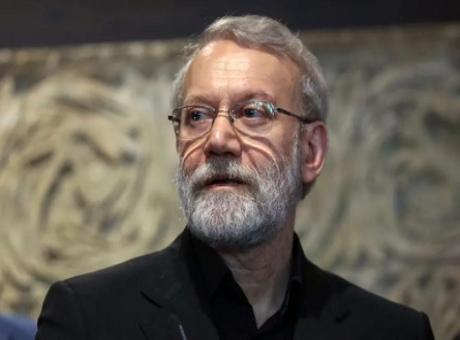
Ali Larijani killed in Israeli airstrike
NEW DELHI [Maha Media]: Veteran Iranian politician Ali Larijani was one of the most powerful figures in the Islamic Republic, an architect of its security policy, and a close adviser to Ayatollah Ali Khamenei until the supreme leader’s death in an airstrike last month.
Larijani, 67, was killed by a U.S.-Israeli air attack as he was visiting his daughter in the eastern outskirts of a Tehran suburb, Iran’s semi-official Fars news agency said on Tuesday.
Israel’s Defence Minister Israel Katz said earlier on Tuesday that he had been killed in an Israeli strike.
The scion of a leading clerical family with brothers who rose to high positions after the 1979 Islamic Revolution, Larijani was seen as canny and pragmatic but always fiercely determined to uphold Iran’s theocratic system of government.
A Revolutionary Guard Corps commander during the Iran-Iraq war in the 1980s, he became head of Iran’s national broadcaster before stints running the Supreme National Security Council either side of his membership of parliament, where he was speaker for 12 years.
His role as the ultimate insider in Ali Khamenei’s Iran gave him responsibilities across a wide portfolio that included critical nuclear negotiations with the West, managing Tehran’s regional ties and the suppression of internal unrest.
Despite his unswerving commitment to Khamenei’s absolute rule, he advocated a more cautionary approach than did other hardline figures, sometimes willing to further Iran’s goals through diplomacy and to meet domestic opposition with soothing words.
But despite his relative moderation, he played an allegedly central role in the bloody crushing of mass protests in January. The violent repression, which killed thousands of protesters, led Washington to impose sanctions on him last month.
After the U.S.-Israeli strikes began on February 28, he was one of the first major Iranian figures to speak, accusing Iran’s attackers of seeking to disintegrate and plunder the country. He also issued stern warnings against any would-be protesters.
The strikes represented the ultimate failure of a nuclear policy he had helped design, which attempted to build atomic capability at the boundary of international rules without provoking an attack.
In pursuing that policy, he projected the voice of the supreme leader, using his abilities as a communicator to build a rapport with Western negotiators and lay out Khamenei’s vision in frequent television interviews.
Even had he survived the current war, that role may have been curtailed. In the jostling for control after Khamenei’s death, it was the Guards who took an ever greater part, leaving fewer decisions to political powerbrokers like Larijani.