

 नवीनतम
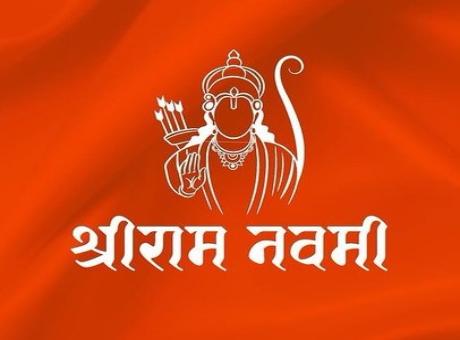
BSE, NSE to remain shut on account of Ram Navami
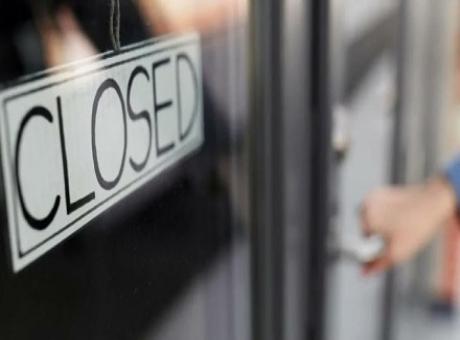
MUMBAI [Maha Media]: The Indian stock markets will remain closed for trading on Thursday on the occasion of Ram Navami.
According to the stock market holiday calendar, the Bombay Stock Exchange (BSE) and the National Stock Exchange (NSE) will remain shut, and no trading will take place.
Moreover, the Equity Segment, Equity Derivatives Segment, Currency Derivatives Segment, as well as the NDS-RST and Tri-Party Repo segments, will remain closed for trading.
The Multi Commodity Exchange of India (MCX) has declared a trading holiday for the first half, or the morning session. Trading in commodities on all exchanges will resume in the evening session at 5 pm.
The stock exchanges will also observe trading holidays on March 31 for Mahavir Jayanti and April 3 for Good Friday. There will be no stock market holidays in July and August this year.
On Wednesday, the stock markets ended higher for the second consecutive session, supported by easing oil prices and positive global cues.
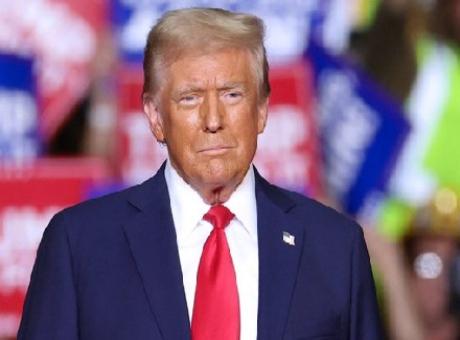
Investor sentiment improved after US President Donald Trump reiterated that talks are ongoing to bring an end to the conflict in the Middle East.
The benchmark indices saw strong gains, with the Nifty rising 1.72 per cent, or 392.70 points, to close at 23,306.45. The Sensex also advanced 1.63 per cent, or 1,205 points, to settle at 75,273.45.
Going ahead, 23,300–23,350 remains a critical zone. Sustaining above this range could provide short-term stability, while failure to hold may invite renewed selling pressure, a market expert said.
On the upside, 23,500–23,600 continues to act as a strong supply zone, followed by 23,800. On the downside, 23,000 remains a crucial support level, backed by strong demand and open interest build-up, with 22,900 as the next support in case of weakness, an analyst added.
Analysts said that the market rally was driven by hopes of easing geopolitical tensions and softer oil prices, which boosted investor confidence across sectors.