


 नवीनतम
Everyday goods set to become more expensive, warns Crisil
NEW DELHI [Maha Media]: A sharp increase in global commodity and energy prices due to the ongoing West Asia conflict could soon make a range of consumer goods costlier in India, according to a recent Quickonomics report released by Crisil.
The report noted that rising prices are no longer restricted to crude oil and fuel products but are now affecting key industrial raw materials such as copper, aluminium, plastics, chemicals and gas-linked inputs. As manufacturing costs rise, companies may eventually pass the burden on to consumers.
Crisil said its WPI-based input-output ratio crossed the 1.0 level in April 2026 for the first time in nearly four years, indicating that input costs are increasing faster than the prices manufacturers receive for their products.
“The ratio reached 1.02, driven by a 6.2 per cent month-on-month rise in input prices, while output prices rose only 0.7 per cent,” the report stated.
This suggests that companies are currently absorbing much of the cost pressure instead of immediately increasing retail prices.
The report attributed the sharp spike in costs to disruptions caused by the West Asia conflict and the closure of the Strait of Hormuz, a critical global shipping route for oil and energy supplies.
According to Crisil, the disruption has expanded inflationary pressures beyond fuel markets into broader industrial supply chains.
“The closure of the Strait of Hormuz has widened the shock across multiple input categories, even as manufacturers were already dealing with higher prices of essential metals such as copper and aluminium,” the report said.
Several industrial commodities recorded steep price increases in April. Copper prices rose by 17.3 per cent, aluminium by 20.6 per cent, crude oil-related products by 49.3 per cent and gas-linked inputs by 19.1 per cent, the report added.
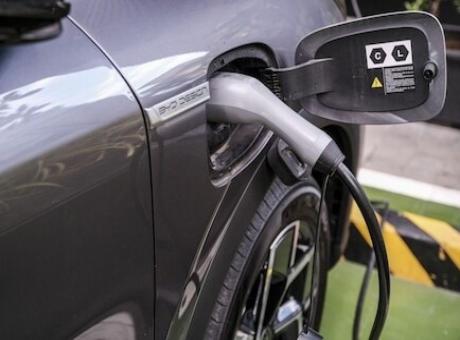
The rise in copper and aluminium prices is particularly significant because these metals are widely used in sectors such as automobiles, consumer electronics, electric vehicles, power infrastructure, renewable energy equipment, construction and household appliances.
Crisil warned that although wholesale inflation is expected to reflect the pressure first, higher manufacturing costs are likely to gradually impact household budgets as companies begin increasing prices.
“With input costs expected to remain elevated this year even after the Strait reopens, manufacturers will continue to face pressure,” the report said.
It also noted that stable domestic demand may encourage companies to pass on at least part of the additional costs to consumers in order to protect profit margins.
The report further cautioned that core inflation under the Consumer Price Index (CPI), which excludes food and fuel, could see upward movement in the coming months.