


 नवीनतम
Now more children obese than underweight in world
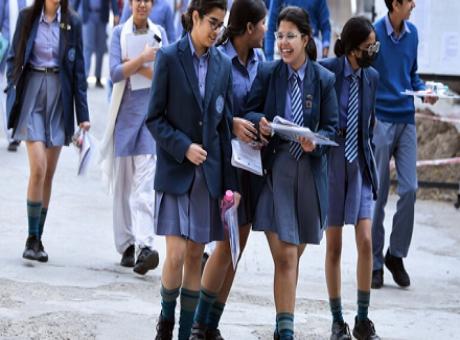
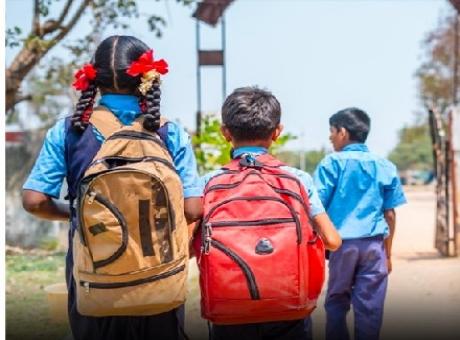
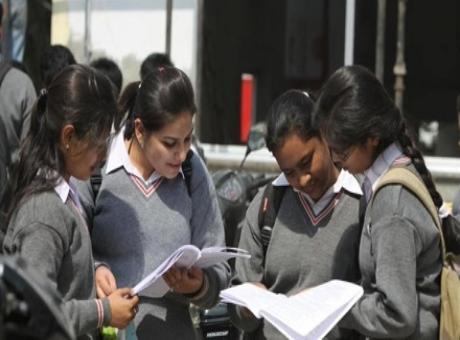
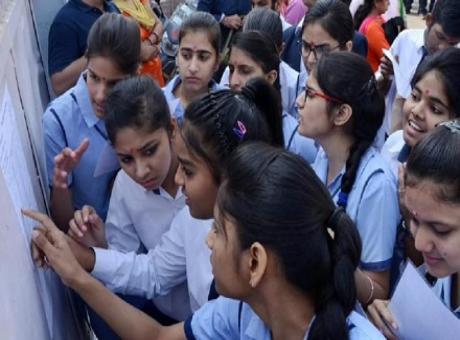
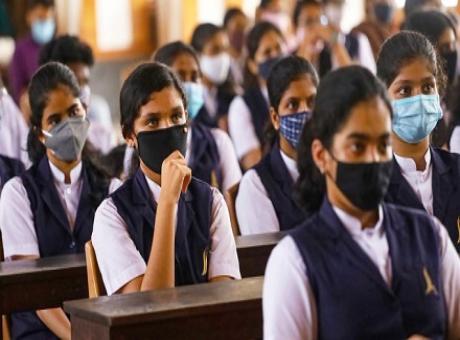
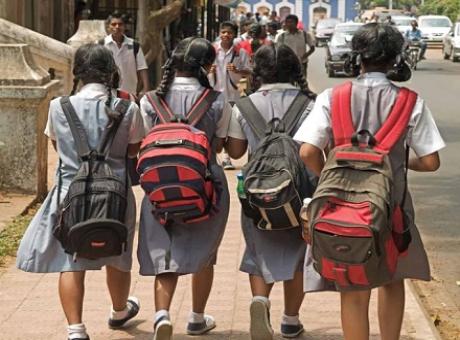
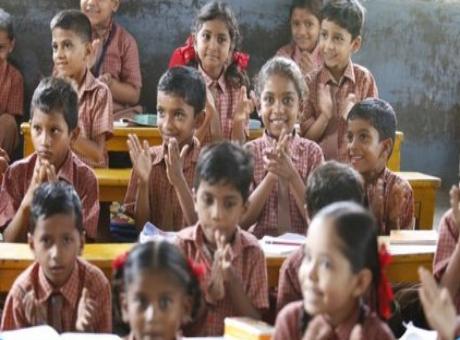
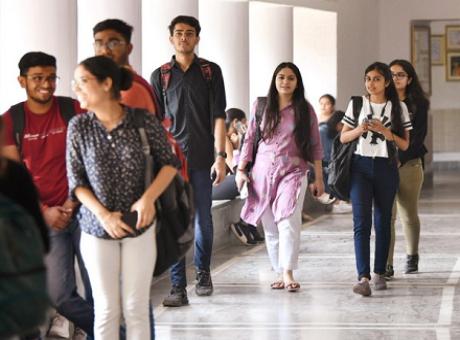
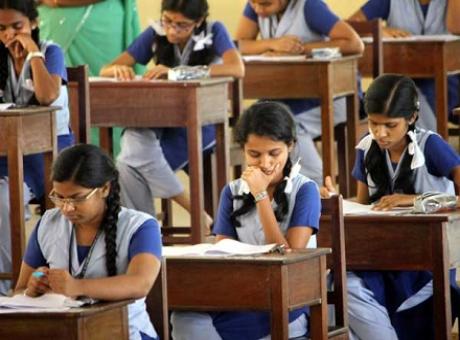
NEW DELHI [Maha Media]: For the first time in history, obesity has surpassed those underweight as the most common form of malnutrition among school-age children and adolescents worldwide, as junk and unprocessed food have replaced fruits, vegetables and protein, warns UNICEF in a new report.
The United Nations children's agency projects that nearly one in 10 individuals aged 5 to 19 will be living with a chronic disease in 2025, fueled by easy availability of junk foods "even in countries still grappling with child undernutrition."
It said 188 million worldwide in the age group are now living with obesity, placing them at heightened risk of chronic diseases such as type-2 diabetes, heart conditions, and certain cancers.
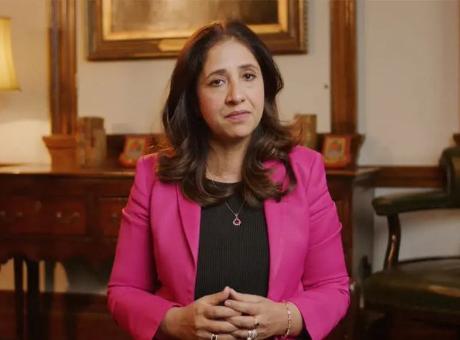
“Obesity is a growing concern that can impact the health and development of children. Ultra-processed food is increasingly replacing fruits, vegetables and protein at a time when nutrition plays a critical role in children’s growth, cognitive development and mental health”, said UNICEF Executive Director Catherine Russell.
The report, Feeding Profit: How Food Environments are Failing Children, draws on data from over 190 countries and highlights a stark shift.
The fight to reduce world hunger is bearing fruit in some areas, with prevalence of underweight youths on a downward trend, falling from 13 percent to 10 percent between 2000 and 2022 among 5-19 year olds, according to data collected in 190 countries. But over the same period, overweight numbers in the age range have soared, doubling between 2000 and 2022 from 194 to 391 million.
The spike is even more pronounced for obesity, a more serious form of overweight associated with metabolic disorders such as diabetes, certain cancers, anxiety and depression. In 2022, eight percent of those 5-19 worldwide, or 163 million, were obese, compared to three percent in 2000.
Since 2000, the number of underweight among five to 19-year-olds has dropped from nearly 13 per cent to 9.2 per cent. In the same period, obesity has tripled, from three per cent to 9.4 per cent. Today, obesity rates exceed underweight in every region except sub-Saharan Africa and South Asia. The situation is particularly acute in the Pacific Islands, where traditional diets have been displaced by cheap, energy-dense imported foods.
High-income countries are not exempt
At least 27 per cent of children in Chile, and 21 per cent in both the United States and United Arab Emirates, are affected. Globally, one in five children and adolescents, or 391 million, are overweight, with nearly half now classified as obese. Children are considered overweight when they are significantly heavier than what is healthy for their age, sex and height.
Obesity is a severe form of overweight and leads to a higher risk of developing insulin resistance and high blood pressure, as well as life-threatening diseases later in life, including type-2 diabetes, cardiovascular disease, and certain cancers.
Marketing to blame
The report points to powerful commercial forces shaping these outcomes. Ultra-processed and fast foods, high in sugar, salt, unhealthy fats and additives, dominate children’s diets and are aggressively marketed, influencing children’s diets.
In a UNICEF poll of 64,000 young people across 170 countries, 75 per cent reported seeing ads for sugary drinks, snacks, or fast food in the previous week. Sixty per cent said the ads made them want to eat the products. Even in conflict-affected countries, 68 per cent of young people said they were exposed to these advertisements.
These patterns, UNICEF warns, carry staggering economic consequences. By 2035, the global cost of overweight and obesity levels is projected to exceed $4 trillion annually. In Peru alone, obesity-related health issues could cost over $210 billion across a generation.
Government must act
UNICEF urged governments worldwide to follow suit with sweeping reforms: mandatory food labelling, marketing restrictions, and taxes on unhealthy products; bans on junk food in schools; stronger social protection programmes; and safeguards to shield policymaking from industry interference. “In many countries we are seeing the double burden of malnutrition, the existence of stunting and obesity. This requires targeted interventions,” said Russell.
“Nutritious and affordable food must be available to every child to support their growth and development. We urgently need policies that support parents and caretakers to access nutritious and healthy foods for their children”, she added.
India Among Countries Taking Action
As per the UNICEF report, significant progress has been made in countries with a strong political will, robust civil society support, public engagement to build demand for legal measures and policies, and a refusal to yield to industry pressure.
"For example, Brazil, Chile and Mexico have some of the most comprehensive sets of legal measures and policies in the world, while notable advances have been made in countries such as Fiji, India, Lebanon, Sierra Leone, South Africa and Spain," the report said.