

 नवीनतम
Remembering the Father of Indian Cinema: Dadasaheb Phalke
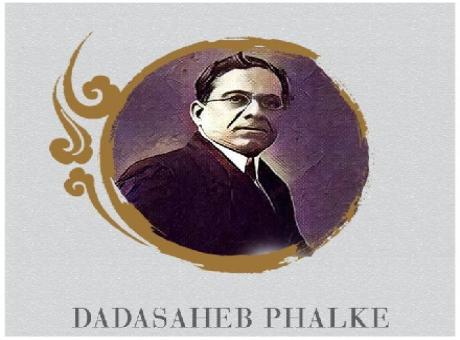
NEW DELHI [Maha Media]: NEW DELHI [Maha Media]: On a quiet morning, February 16, 1944, the world lost one of its most visionary storytellers. Dhundiraj Govind “Dadasaheb” Phalke, born on April 30, 1870, in Trimbak, British India, passed away in Nashik, leaving behind a legacy that would shape the dreams of millions and give birth to an art form cherished across continents.
At a time when cinema was still a novelty for most, Phalke saw possibilities where others saw limitations. Inspired by a silent film about the life of Christ that he watched in 1910, he resolved to bring Indian stories its myths, legends, gods, and heroes to the silver screen. He traveled to London to learn the emerging craft and returned with a humble camera, a boundless imagination, and a determination that would forever change Indian culture.
In 1913, after months of experimentation and overcoming immense challenges, Phalke released Raja Harishchandra, which is widely recognized as India’s first full-length indigenous feature film. Shot without the advantages of modern studios or trained actors, this silent epic captured the imagination of audiences and announced to the world that India had stories to tell through moving pictures.
For many, the early days of Indian cinema are inextricably linked to Phalke’s name. Over nearly two decades, he directed, produced, wrote, edited, and even designed costumes and sets for dozens of films. Through titles like Mohini Bhasmasur, Lanka Dahan, and Shri Krishna Janma, Phalke brought the vibrant epics of Indian culture to life using special effects and trick photography that astounded audiences long before sound films became the norm.
Despite his genius, Phalke's later years were marked by hardship. With the rise of sound cinema and changing audience tastes, the pioneer found his relevance diminishing, and he passed away in relative obscurity. However, time has been kind to visionaries, and his contributions have been restored to their rightful place in the annals of history.
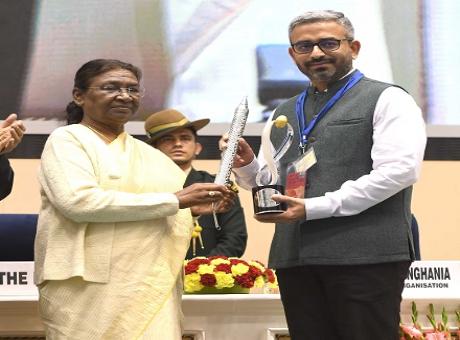
To honor his monumental contributions to film, the government established the Dadasaheb Phalke Award in 1969, the nation’s highest cinematic accolade. This award is bestowed each year on artists whose life’s work has significantly shaped Indian cinema.
Today, from Bollywood to regional cinemas and from arthouse films to global productions, every story told on an Indian screen carries a whisper of Phalke’s spirit his courage to dream, innovate, and imagine moving images as a powerful language of emotion and identity.
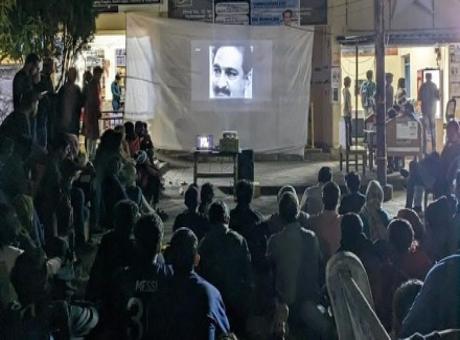
As crowds gather each year to remember him, and as screens light up with films that trace their roots to his pioneering work, the legacy of the Father of Indian Cinema continues to inspire new generations of filmmakers and audiences alike.