

 नवीनतम
India records fourfold surge in organ transplants since 2013
NEW DELHI [Maha Media]: India has recorded a landmark surge in organ donation and transplantation, with the National Organ and Tissue Transplant Organization (NOTTO) leading what officials describe as a nationwide transformation of the transplant ecosystem.
According to data released by the Ministry of Health and Family Welfare (MoHFW), the number of organ transplants in the country has increased nearly fourfold over the past decade – from fewer than 5,000 in 2013 to almost 20,000 in 2025. Around 18% of these procedures are now being carried out using organs donated by deceased donors, reflecting a steady rise in cadaveric donations.
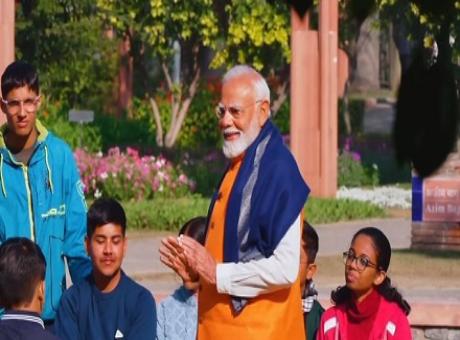
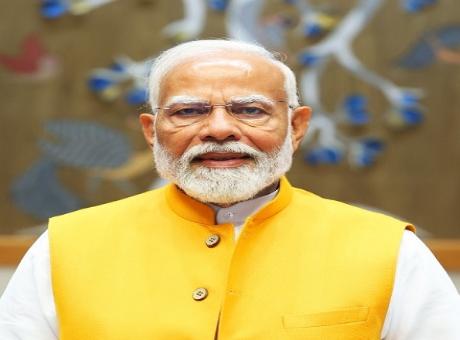
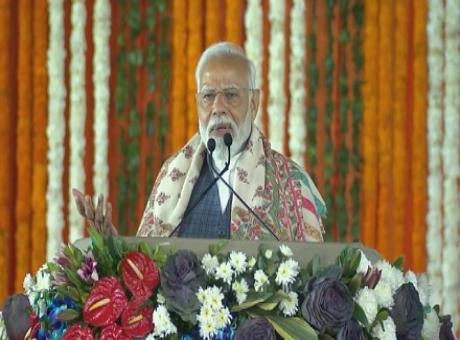
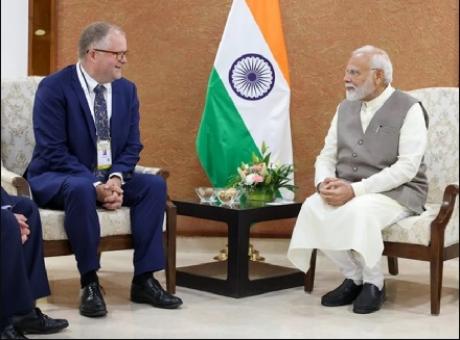
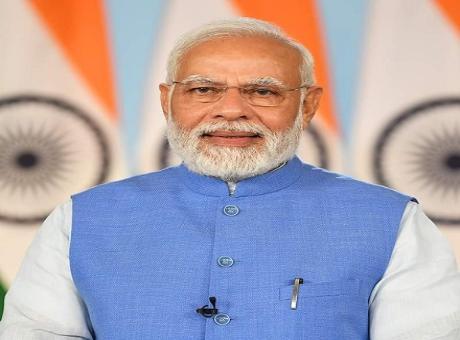
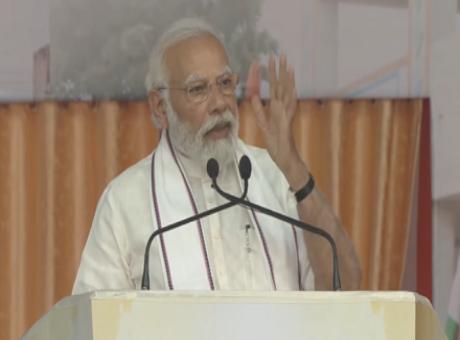
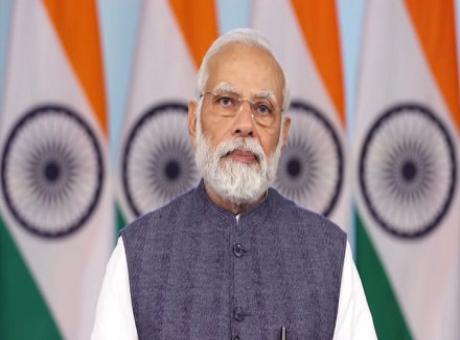
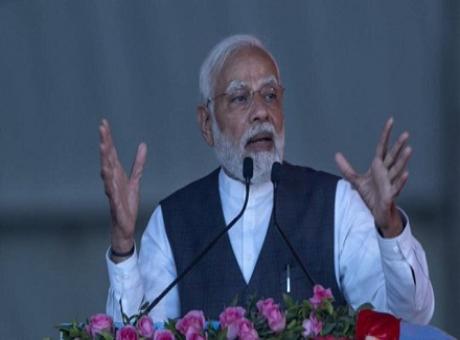
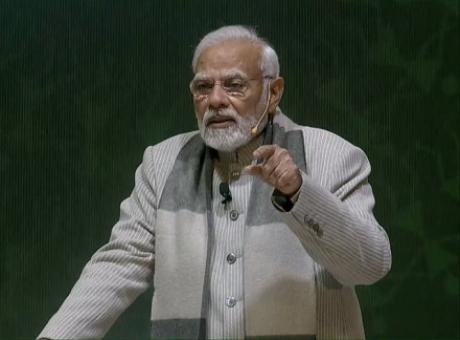
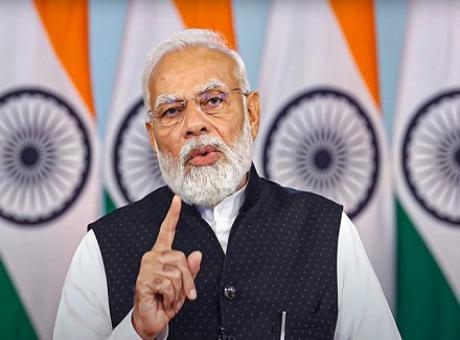
The momentum has been bolstered by repeated public appeals from Prime Minister Narendra Modi, who has highlighted the importance of organ donation in his monthly radio programme Mann Ki Baat. MoHFW says these messages have helped generate wider public awareness and participation.
In 2025 alone, more than 1,200 families consented to donate the organs of their loved ones after death, saving thousands of lives. Each deceased donor is now typically contributing multiple organs, significantly enhancing transplant outcomes. Since September 17, 2023, over 4.8 lakh citizens have registered for organ and tissue donation through an Aadhaar-based verification system, strengthening transparency and authenticity in the process.
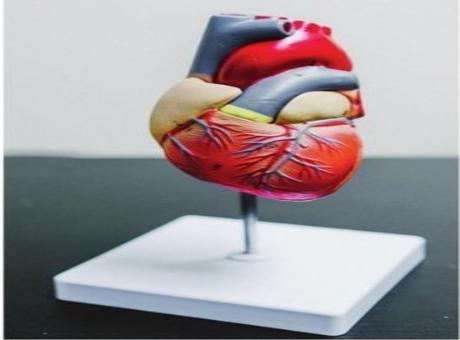
India has also emerged as a global leader in complex transplant procedures. The country performs more hand transplants than any other nation and has developed expertise in heart, lung and pancreas transplants, with outcomes comparable to global benchmarks – often at a fraction of international costs.
The Ministry attributes the progress to a multi-pronged strategy that has strengthened institutional capacity and improved coordination between the Centre and states. NOTTO has been reinforced as the national coordinating authority, enabling real-time organ allocation and smoother inter-state sharing.
The modernization of the National Organ and Tissue Transplant Registry has enhanced transparency and traceability, while State Organ and Tissue Transplant Organizations (SOTTOs) and Regional OTTOs (ROTTOs) have undergone focused capacity building. Standardized transplant protocols aligned with global best practices and the expanded use of digital platforms for donor and patient registration have further streamlined processes.
The promotion of “Green Corridors” – special traffic-free routes to transport harvested organs quickly – has significantly reduced logistical barriers. Standard operating procedures for air, rail and road transport have ensured faster and safer movement of organs across cities and states.
MoHFW says public attitudes toward organ donation have shifted positively in recent years. Awareness campaigns, outreach in schools and colleges, and engagement with Panchayati Raj institutions have encouraged families to consider organ donation even in moments of profound grief.
Hospitals across the country have improved systems for donor identification, retrieval and allocation, helping maximize organ utilization. The growing collaboration between central and state governments, transplant professionals and civil society groups has contributed to what authorities describe as a more ethical, transparent and responsive ecosystem.
The government now aims to further expand transplant infrastructure in underserved regions, increase deceased donation rates and deepen digital integration to ensure equitable access nationwide.
With sustained institutional reforms and rising public participation, India’s organ donation programme is increasingly being seen as a model of how governance, technology and community engagement can converge to save lives at scale.