


 नवीनतम
Scientists discover reason high altitude protects against diabetes: Study
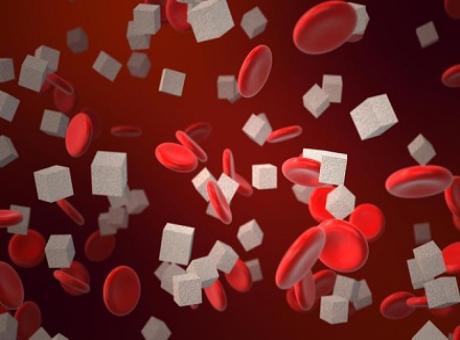
NEW DELHI [Maha Media]: Living at high altitude appears to protect against diabetes, and scientists have finally discovered the reason. When oxygen levels drop, red blood cells switch into a new metabolic mode and absorb large amounts of glucose from the blood.
This helps the body cope with thin air while also reducing blood sugar levels. A drug that recreates this effect reversed diabetes in mice, hinting at a powerful new treatment strategy.
For years, researchers have observed that people who live at high elevations, where oxygen is scarce, tend to develop diabetes less often than those at sea level. Although the trend was well documented, the biological explanation behind it was unclear.
Scientists at Gladstone Institutes now say they have identified the reason. Their research shows that in low oxygen environments, red blood cells begin absorbing large amounts of glucose from the bloodstream.
In effect, the cells act like sugar sponges under conditions similar to those found on the world's tallest mountains.
In findings published in Cell Metabolism, the team demonstrated that red blood cells can alter their metabolism when oxygen levels drop.
This shift allows the cells to deliver oxygen to tissues more efficiently at high altitude. At the same time, it lowers circulating blood sugar, offering a potential explanation for reduced diabetes risk.
According to senior author Isha Jain, PhD, a Gladstone Investigator, core investigator at Arc Institute, and professor of biochemistry at UC San Francisco, the study resolves a longstanding question in physiology.
"Red blood cells represent a hidden compartment of glucose metabolism that has not been appreciated until now. This discovery could open up entirely new ways to think about controlling blood sugar," Jain says.
Red Blood Cells Identified as a Glucose Sink
Jain's lab has spent years studying hypoxia, the term for reduced oxygen levels in the blood, and its effects on metabolism. In earlier experiments, her team noticed that mice exposed to low oxygen air had dramatically lower blood glucose levels.
The animals rapidly cleared sugar from their bloodstream after eating, which is typically linked to lower diabetes risk. However, when researchers examined major organs to determine where the glucose was being used, they found no clear answer.
"When we gave sugar to the mice in hypoxia, it disappeared from their bloodstream almost instantly," says Yolanda Marti-Mateos, PhD, a postdoctoral scholar in Jain's lab and first author of the new study. "We looked at muscle, brain, liver -- all the usual suspects -- but nothing in these organs could explain what was happening."
Using a different imaging method, the researchers discovered that red blood cells were serving as the missing "glucose sink," meaning they were taking in and using significant amounts of glucose from circulation.
This was unexpected because red blood cells have traditionally been viewed as simple oxygen carriers.