


 नवीनतम
Health tips to preventing organ failure
NEW DELHI [Maha Media]: In 2019, a 42-year-old man in Delhi was put on a waiting list for a kidney transplant. He was not alone. In India, over 1.8 lakh people require a kidney transplant every year, yet only about 12,000 actually receive one. For liver transplants, the demand is 50,000, while the supply is just around 1,800. The gap is so stark that most patients never even get close to the operating table.
Yet, there’s a strange irony here. Organ transplants are seen as medical miracles (and they are), but the majority of organ failure cases can be traced back to everyday lifestyle choices. That means the real miracle may not be in replacing organs at all, but in preventing them from failing in the first place.
The Hidden Culprits Are Blood Pressure and Sugar
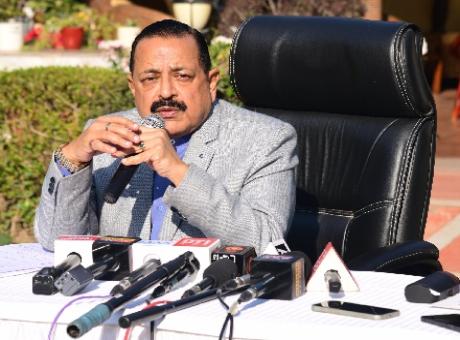
Dr Varun Mittal, Head of the Kidney Transplant department and the Associate Chief of Uro-Oncology & Robotic Surgery at Artemis Hospitals, points out something counterintuitive: most people think kidney failure is about “kidneys.” But the story often begins much earlier, with blood pressure and blood sugar. Unchecked diabetes slowly scars the kidneys. High blood pressure quietly stiffens blood vessels. Over time, both conditions overwhelm the organs tasked with filtering, pumping, and detoxifying the body. “These are the main things that damage the kidneys, heart, and eyes,” Dr. Mittal says.
India, with its growing urban middle class, is now the diabetes capital of the world—more than 100 million Indians live with diabetes, and nearly 200 million with hypertension. Behind these statistics lie the seeds of silent organ failure. India has some of the best transplant surgeons in the world. But even they will tell you that the best transplant is the one you never need.
The Paradox of Water
Conventional wisdom says: drink more water. But here’s where the contradiction comes in. Too little water stresses the kidneys. Too much, in patients with heart or kidney disease, floods the system. The sweet spot is about 7 to 8 glasses of water daily (unless your doctor advises otherwise).
Painkillers: The Double-Edged Sword
Every household has a medicine cabinet. Every cabinet has painkillers. They soothe headaches, body aches, fevers. But long-term, overuse of these pills quietly eats away at the liver and kidneys. Dr. Mittal stresses: “Only take medicines that your doctor prescribes, and never self-medicate.” The very drugs that ease pain in the short run often plant the seeds of irreversible damage years later.
The Weight We Carry
Organ failure is rarely about one bad habit. It’s about accumulated stress. Extra kilos around the waistline push up the odds of diabetes, fatty liver disease, and heart problems. All of these, in turn, circle back to failing kidneys, hearts, and livers. But the solution isn’t a fad diet. It’s the simple math of daily movement and balanced meals. Even 30 minutes of exercise a day tilts the scales in your favour.
Infection Is The Silent Trigger
When people think of organ damage, they imagine clogged arteries or sugar overload. Few imagine an untreated infection. Yet hepatitis can cripple the liver, and recurring urinary tract infections (UTIs) can scar the kidneys. The advice here isn’t glamorous: wash your hands, practice safe food hygiene, get vaccinated, and avoid risky practices like sharing needles. But prevention often looks boring until it saves your life.
The Lifestyle Toxins
There are the obvious villains: alcohol and smoking. Too much alcohol burns out the liver and pancreas. Smoking starves the heart, lungs, and blood vessels. Every cigarette not smoked, every drink skipped, is an organ saved. Organ failure is rarely about one dramatic event. More often, it’s the accumulation of tiny, preventable injuries: the extra spoon of sugar, the unchecked infection, the cigarette smoked on a stressful day.