

 नवीनतम
Makar Sankranti 2026: Celebrating the Sun’s Journey
Bhopal [Maha Media]: Makar Sankranti is one of the holiest festivals in the Hindu calendar, marking the beginning of a sacred period known as the day of the gods. In 2026, an interesting debate has arisen regarding the celebration of this festival – whether it will be observed on January 14th or 15th.
According to the intricate calculations of the Hindu calendar, the sun will enter Capricorn on January 14th. This astronomical shift marks the beginning of a very auspicious time, known as Punya Kaal, which lasts for 16 sacred hours. Devotees flock to bathe in holy rivers like the Ganges, believing that this act purifies the soul. After the bath, it is traditional to recite the Gayatri Mantra, offer prayers to the Sun God, and chant the Guru Mantra. As a symbol of reverence, offerings of red flowers, new clothes, wheat grains, akshat (uncooked rice), and betel nuts are traditionally made to the Sun God. Khichdi holds special significance during this festival, leading many to distribute this comforting dish as a form of charity.
When is Makar Sankranti?
According to Drik Panchang, Makar Sankranti will be celebrated on Wednesday, January 14, 2026.
Makar Sankranti Punya Kaal: 03:13 PM to 06:18 PM
Makar Sankranti Maha Punya Kaal: 03:13 PM to 05:04 PM
Hindu scriptures state that the 40 Ghatis (approximately 16 hours) following the moment of Sankranti constitute the auspicious Punya Kaal. Each Ghati is equivalent to 24 minutes, providing a sacred time for devotees to perform their rituals. If the moment of Sankranti falls after sunset, the rituals are performed at sunrise the following day. However, the 2026 Sankranti falls before noon, therefore the celebrations will be observed on January 14th. Because the timing can vary depending on location, it is essential to consult local almanacs for details to choose the ideal auspicious time for rituals. Significance of Makar Sankranti Across India
Makar Sankranti is a joyous tribute to the life-giving power of the sun, celebrating nature's bountiful harvest and the prosperity that sustains life. It is a moment to express heartfelt gratitude to the divine for abundance and to embark on a spiritual journey towards upliftment. For agricultural communities, this festival is filled with joy as they celebrate a successful harvest and the beginning of a new agricultural cycle.
This unique festival blends spiritual beliefs with seasonal changes and rich cultural traditions, making it one of India's most meaningful and widely celebrated occasions. Makar Sankranti in 2026 is more than just a celebration; it is a festival of light, vitality, and new beginnings. As the sun ascends northward, this occasion inspires feelings of hope, gratitude, and spiritual rebirth. Through prayers, acts of charity, and joyful customs like kite flying, Makar Sankranti encourages us to embrace positivity and abundance in our lives. Regionally, this festival has many names: Pongal in Tamil Nadu, Uttarayan in Gujarat and Rajasthan, and Maghi in Punjab and Haryana. Acts of charity, such as donating sesame seeds, jaggery, khichdi, and warm blankets, are believed to mitigate sun-related afflictions and promote financial stability. Furthermore, worshipping Surya Dev (the Sun God) and Lord Vishnu is believed to remove obstacles and usher in an era of prosperity.
Mythological Beliefs
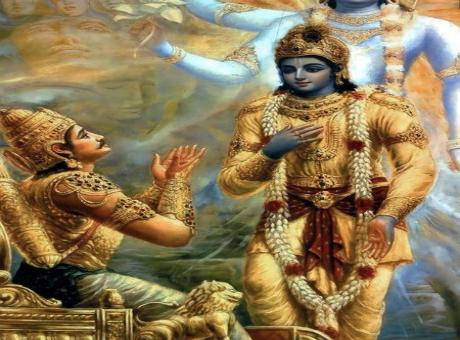
Steeped in mythological significance, Makar Sankranti recounts the story of the deity Sankranti, who slayed the demon Shankarasura on this auspicious day. Following this victory, the deity is credited with slaying another demon, Kinkarasura, the very next day. Furthermore, this festival marks the end of an inauspicious period called Kharmas, which begins in mid-December. The revered epic, the Mahabharata, underscores the significance of this festival, recounting how Bhishma Pitamah, despite his grievous wounds, chose to relinquish his mortal body only after the arrival of Uttarayan, believing it to be the most auspicious moment to attain moksha (liberation).
Makar Sankranti Rituals
On this sacred day, devotees rise before dawn and immerse themselves in a ritualistic bath, preferably in the waters of a holy river. Those unable to reach such sacred places are encouraged to add a few drops of Ganges water to their bathwater. After bathing, people should wear clean clothes and apply a tilak of roli and rice on their foreheads.
During the puja, a copper pot filled with water is adorned with roli, fragrant flowers, jaggery, and black sesame seeds. Facing east, devotees offer water to the rising sun, chanting "Om Suryaya Namah" or "Om Ghrini Suryaya Namah," and respectfully keep their heads covered throughout the puja. It is also advised to avoid Tamasic (heavy, non-vegetarian) food on this auspicious day.
Makar Sankranti 2026 will be celebrated across India with a vibrant tapestry of traditional customs.